Mixed-use complexes (MUCs), or Mixed Use developments, currently hold a special place in the urban environment of emerging markets. Their emergence is not accidental but a result of historical experience, a response to urban challenges, and developers' aspirations to create assets with increased capitalization. To understand the Mixed Use phenomenon, it's important to trace its evolution: from the "imperial" vertical cities of the 20th century to modern hybrid spaces where the most valuable resource is not area, but the quality of perception and operation.
The first full-fledged mixed-use complexes appeared long before this term entered professional discourse.
1930s. Vertical Urbanism
Projects like Rockefeller Center in New York became symbols of the drive for maximum functional concentration within a single ensemble. High density, the complementarity of offices, cultural facilities, and commerce – all these formed unique points of attraction within the fabric of major cities. It also demonstrated technological and economic capabilities.
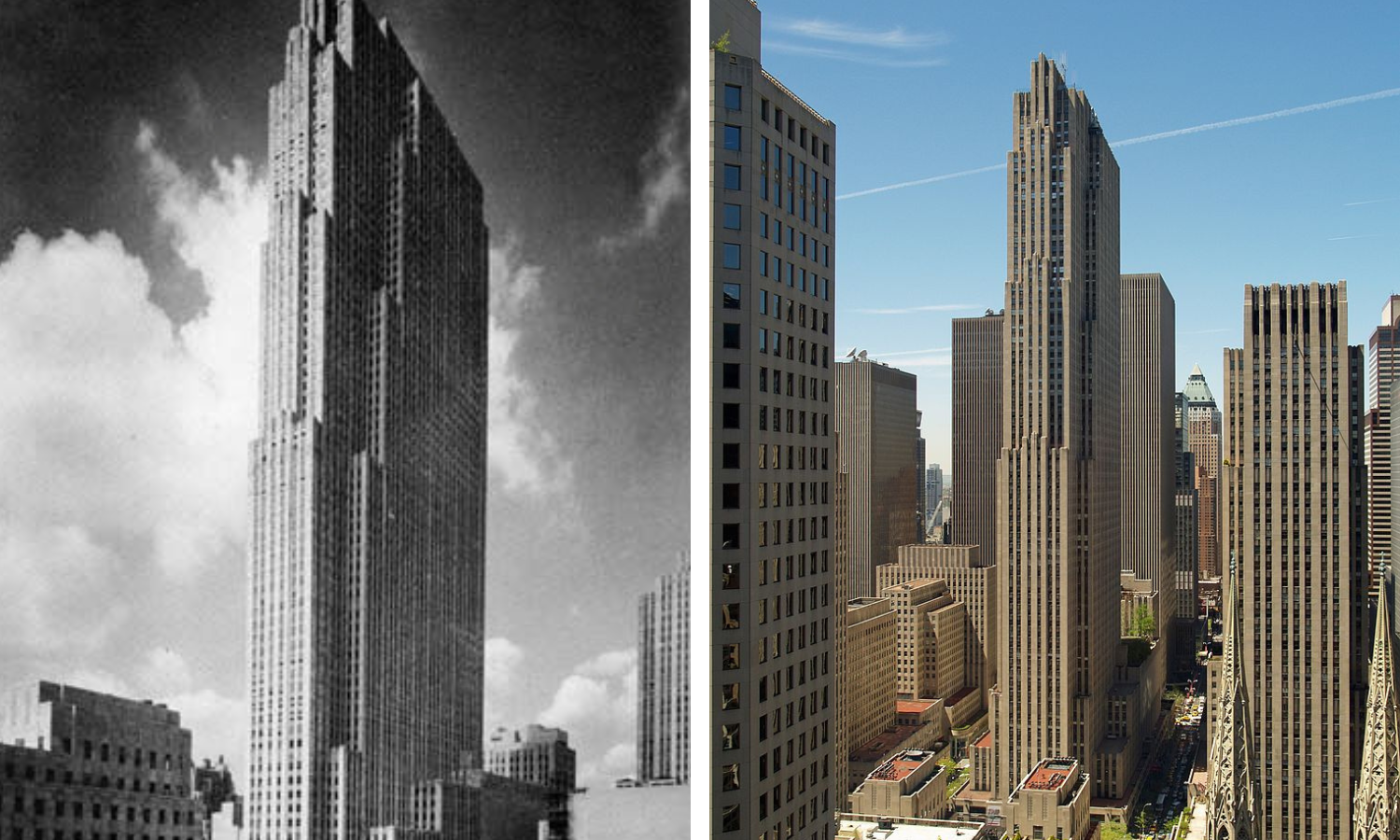
1930s, Rockefeller Center, New York, USA
The concept of multifunctionality aligned with socialist ideology, which envisioned the centralized satisfaction of the needs of the Soviet person. Paradoxically, Soviet urban planners and architects were among the first to arrive at the concept that real estate is not just about square meters.
In the absence of a market economy, construction was carried out as targeted projects.
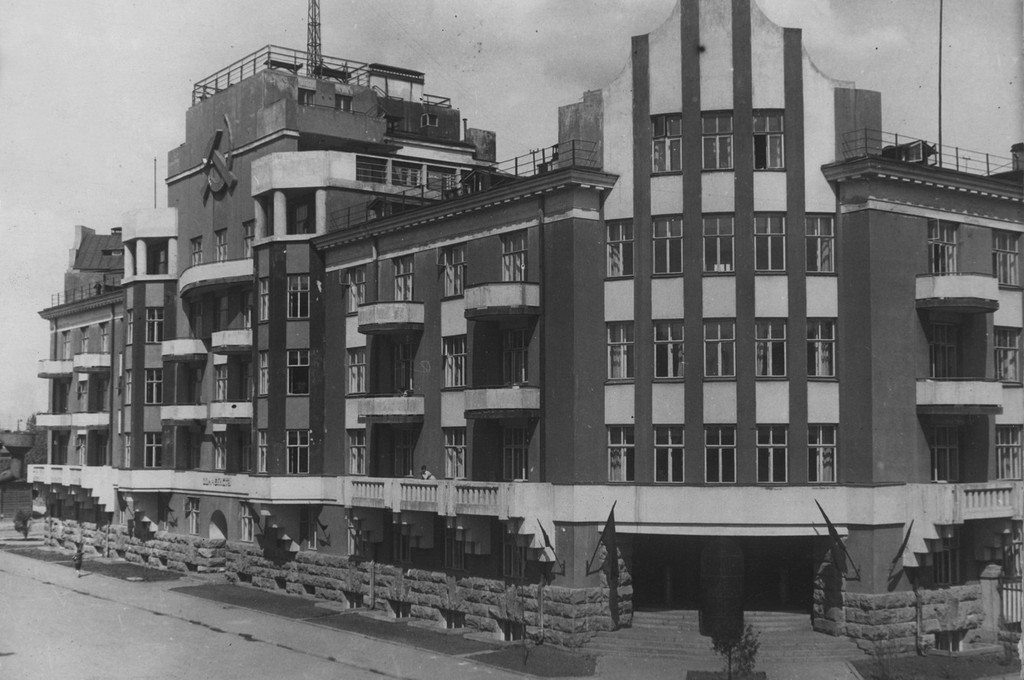
1929–1936, NKVD Residential Complex, Yekaterinburg, Russia
For example, the "Chekist town" – the "NKVD Residential Complex" – was built in Yekaterinburg in the 1930s for employees of the all-powerful department. It included housing of various formats, a dormitory, a House of Culture, and administrative offices. While seemingly similar to European and American projects, the absence of a commercial component, which is the core of all mixed-use projects, is immediately striking. Most likely, this absence was due to ideological reasons in this case.
Competition with the USA required Soviet authorities to provide visible proof of the advantages of the Soviet system, and the best proof was the ability to build high-rise structures. In the USSR, high-rise residential complexes, such as the Stalinist skyscraper on Kotelnicheskaya Embankment in Moscow, integrated domestic, social, and cultural elements, forming an autonomous environment – essentially urban "microcosms." The USSR sought to prove the superiority of the socialist economic system and had to demonstrate its ability to build projects as large-scale as those of the Americans.
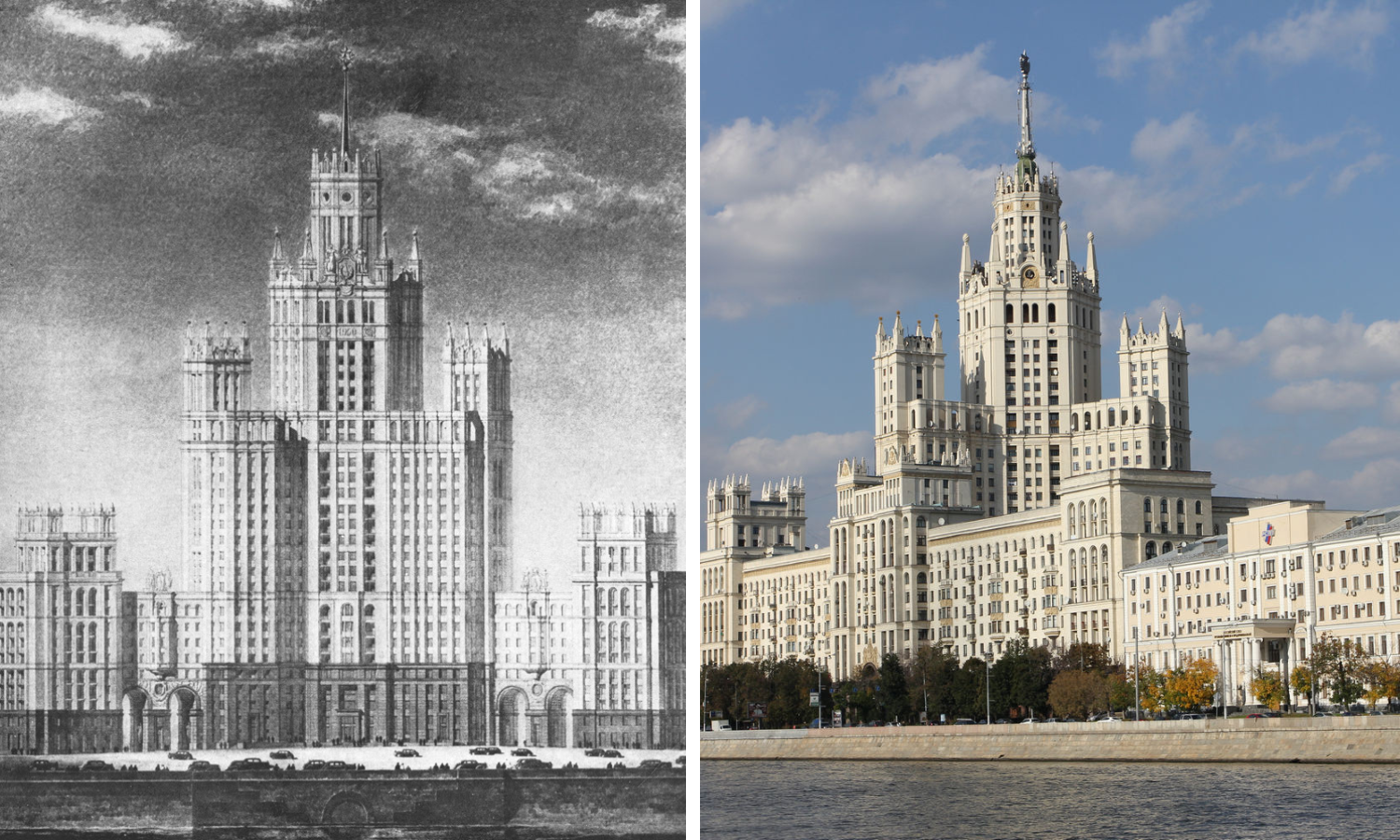
1947–1952, Residential Complex, Kotelnicheskaya Embankment Skyscraper, Moscow, Russia
1960s. A City within a City as the American Dream
Experiments like Marina City in Chicago first combined residential areas, parking, leisure, and commerce in a vertical "complex." This became the starting point for subsequent decades of searching for ideal mixed-use functionality, with an emphasis on flexibility and a diversity of life scenarios.
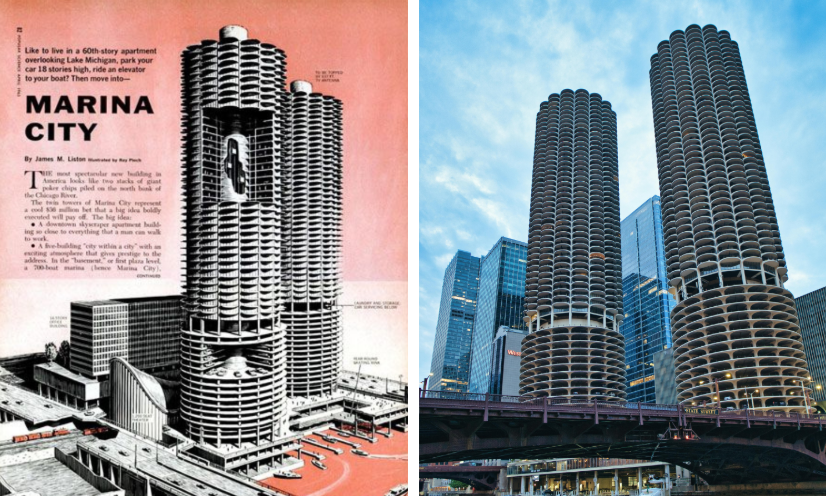
1960s, City within a City, Marina City, Chicago, USA
Emerging Markets: Mixed Use as an Attempt to Create a Protective Environment
In emerging markets, the construction of mixed-use complexes has become a response to the chaos and aggressiveness of the urban environment. For Africa and South America, it was an attempt to create oases of modernity amidst archaic conditions; for the post-Soviet space, it was an island of stability amidst the chaos generated by the collapse of economic models. Emerging countries are characterized by high crime rates, low quality of public spaces, low interpersonal trust, and a high demand for a safe environment.
Complexes like Jardim in São Paulo, Manufaktura in Łódź, or the Demidov Business Center (on whose territory the Yeltsin Center is located) in Yekaterinburg demonstrate a common trend: the creation of a safe, managed, and aesthetically refined zone within a city that often cannot keep pace with economic and social changes.
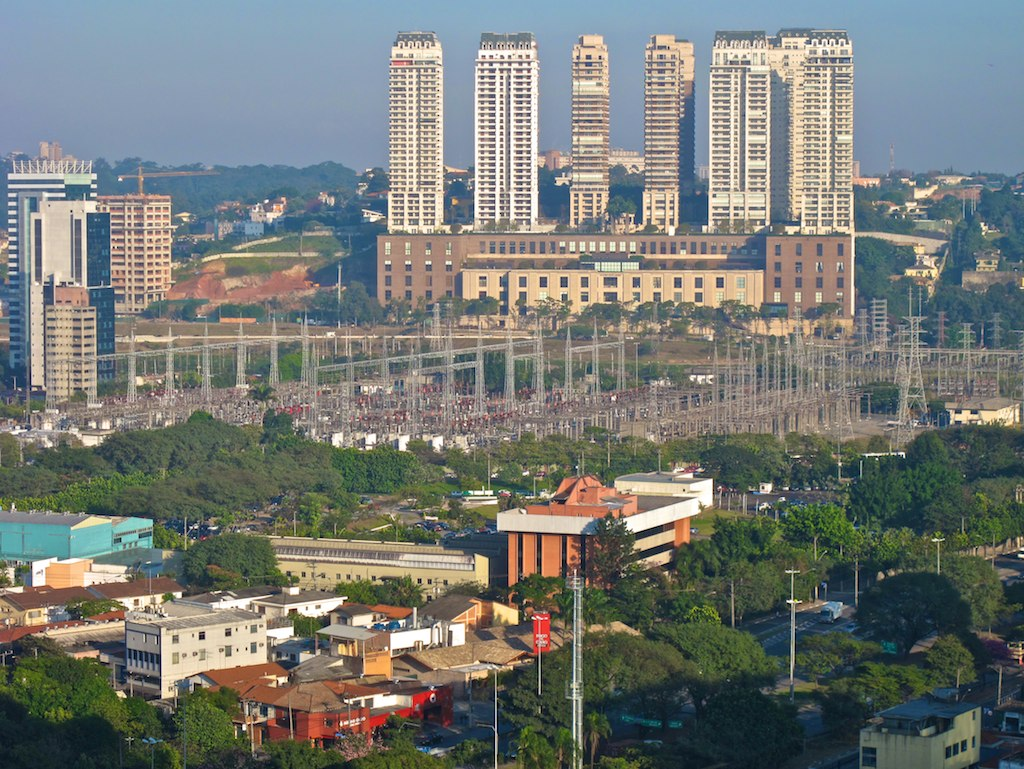
2010, Cidade Jardim MUC, São Paulo, Brazil
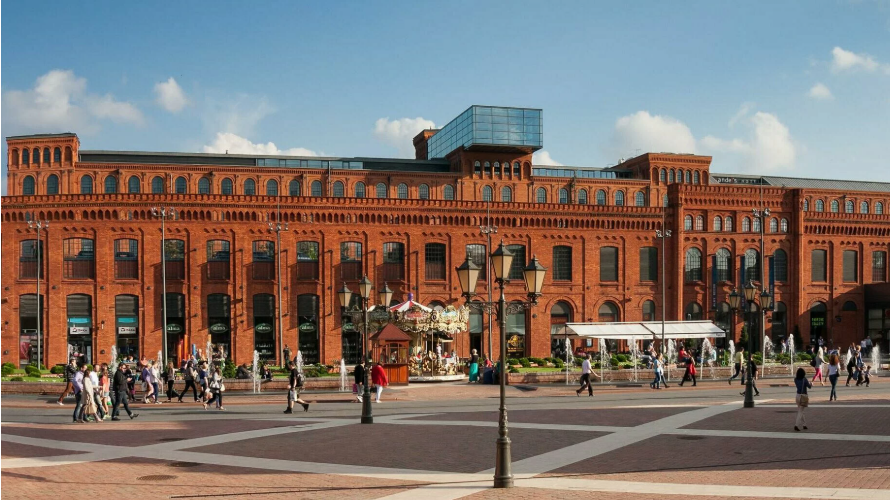
2006, Manufaktura, reconstructed textile factory, Łódź, Poland
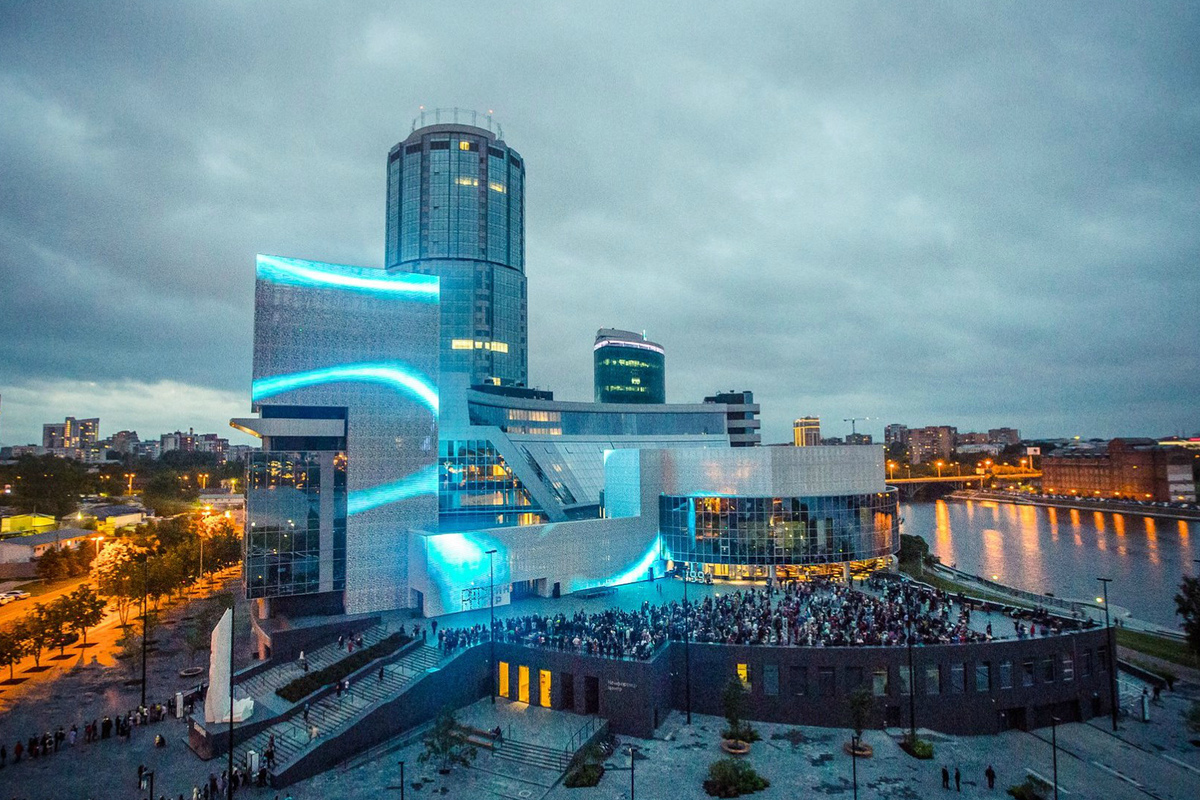
2016, Demidov Business Center (Yeltsin Center), Yekaterinburg, Russia
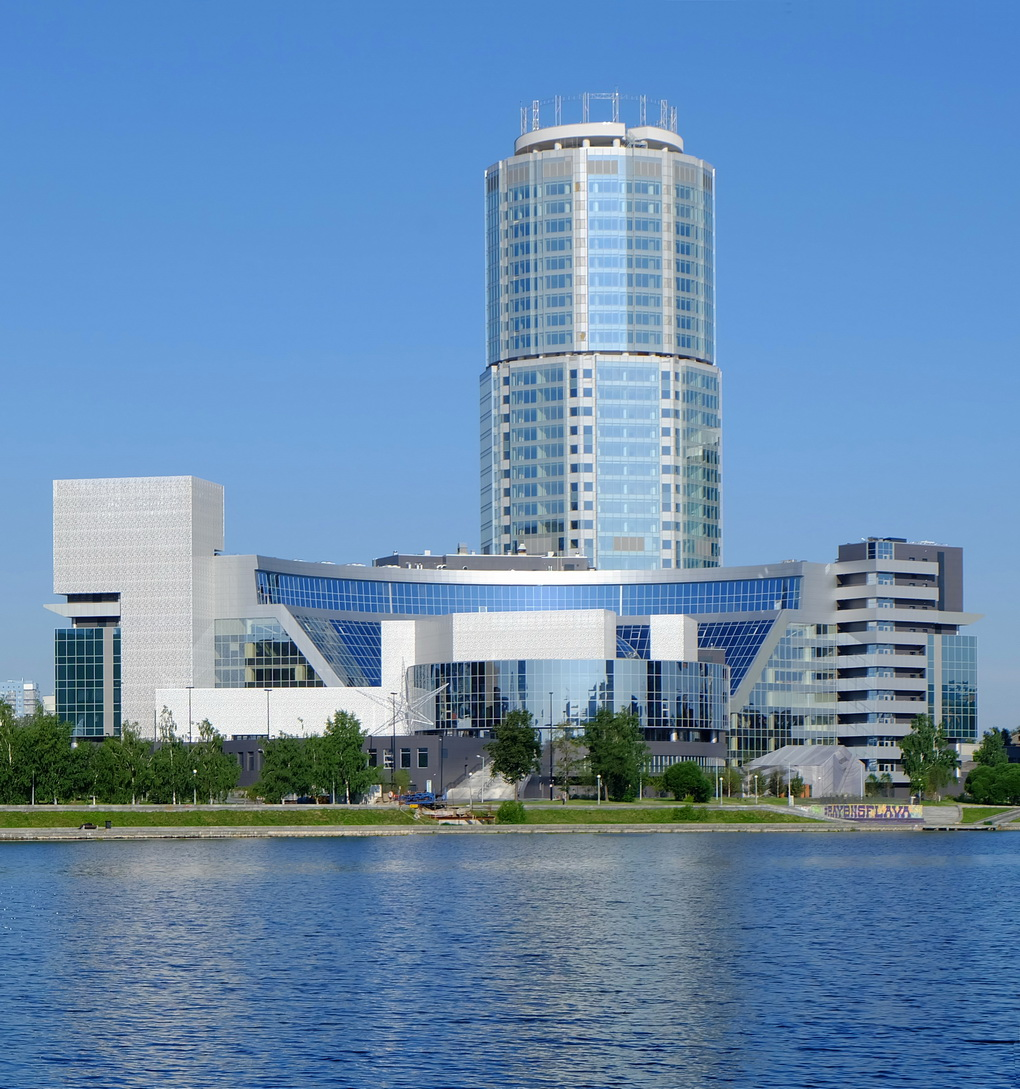
Demidov Business Center, housing the Yeltsin Center
Such objects are "islands" where a controlled flow of people is formed, internal infrastructure is created, and the consumer receives a predictable level of service.
However, it is precisely this attempt at isolation that highlights a fundamental contradiction: the more a complex strives to become "self-sufficient," the higher the risk of its disconnection from the urban fabric. For example, Manufaktura in Łódź stalled the city's development for several years by drawing all the city's creative forces and active consumers into the complex.
Mixed Use in Central Asia: Between Ambition and Reality
Central Asia has experienced a boom in mixed-use construction in recent years. Cities in the region – Tashkent, Bishkek, Almaty – are rapidly changing, and developers are seeking models that will allow them to attract buyers with new ideas, increase project profitability, and minimize risks in an unstable market.
In emerging markets, project financing is difficult, so the developer's main goal is to sell units during construction. This leads to a significant difference: while in developed markets, the conditions for subsequent operation are carefully considered during the development of a project, for emerging markets, the most important thing is to build and sell as quickly as possible. Developers only consider the operational aspects of a facility after obtaining cadastral documents.
Operating a monofunctional, simple facility, such as a business center or a residential building, is much simpler and cheaper than operating a mixed-use complex. On the other hand, from the perspective of sales and marketing departments, selling units in a mixed-use complex is much easier and more profitable, as it allows for diversification of offerings, simultaneously providing office, retail, and residential spaces to each buyer, thereby expanding the sales funnel.
This is why developers, even those without extensive experience in design and development in Central Asia, readily undertake mixed-use projects.
Pros of Mixed Use in Central Asia:
- High advertising potential and brand recognition;
- Increased demand due to the combination of functions;
- Ability to balance the financial model through partial sale of components;
- Increased "smart" density and urban planning efficiency;
- Simplification of approvals with government agencies due to the "prestigious" format;
However, this format also has its cons:
- Mismatch between tasks and the technological capabilities of contractors;
- Design errors, which in the case of Mixed Use grow exponentially due to the number of functions;
- Higher design costs and the need for thorough analytical and conceptual work;
- Complexity of operating mixed-use infrastructure;
- The need to interact with a wide range of space users;
- Costly compromises that would be minimal in monofunctional objects;
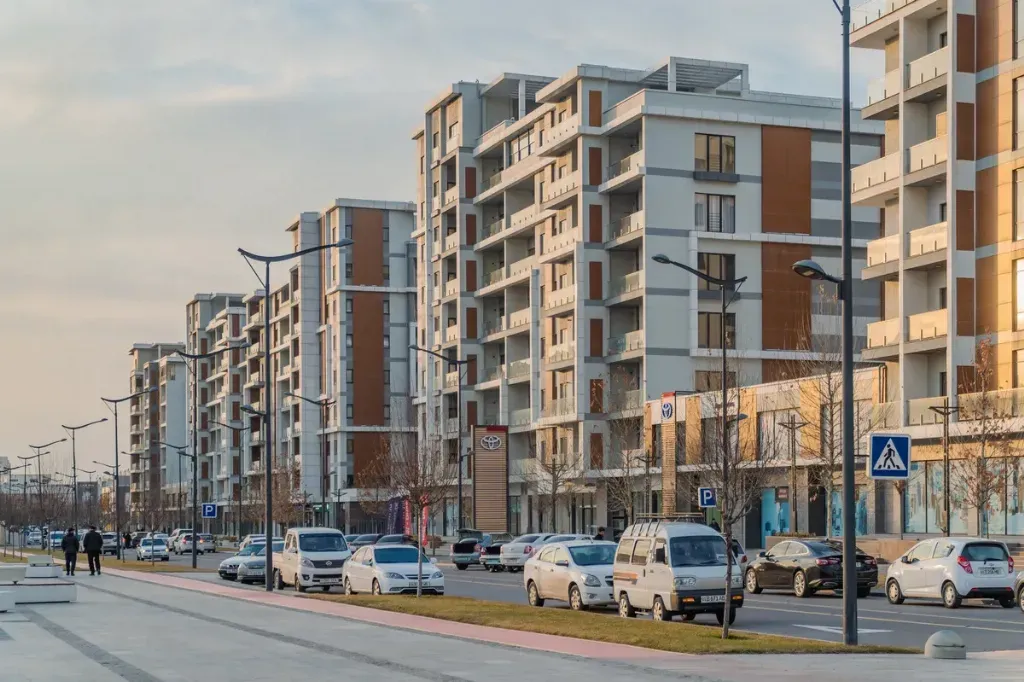
The Nest One project in Tashkent is a prime example: an ambitious skyscraper, an architectural landmark of the city with multiple functions, it highlights both the potential and the complexity of integrating different formats on a single vertical axis.
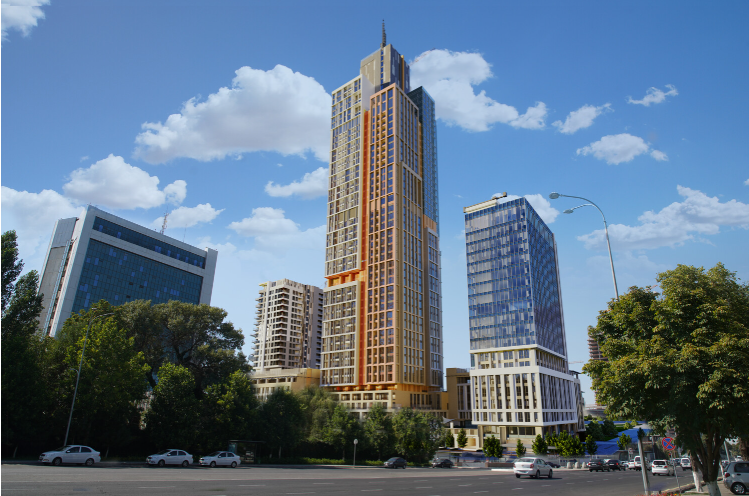
2024, Nest One - Mixed-use complex in Tashkent
The Future of Mixed-Use Complexes in Emerging Markets
Shift in Focus: From a Set of Functions to a Set of States
After 2020, architectural thinking has shifted: the number of functions is no longer as important as the flexibility of their use.
FLEX, Agile Office, Activity Based Office models, co-working spaces – all are built around the idea that space should adapt to people, not the other way around.
The classic office layout of the early 20th century dictated people's behavior. Today,space is the variable, and people are the constant.
In emerging markets, this logic is beginning to penetrate residential complexes, shopping centers, and business spaces. Developers understand that future capitalization depends not on a concrete "matrix," but on the ability to offer users scenarios, emotional states, and services.
Development as Uncertainty Management
Emerging markets are primarily characterized by uncertainty: political, economic, consumer, and infrastructural. Developers are forced to simultaneously predict changes in the urban environment and manage complex user flows within their buildings.
In such an environment, MUCs become not only construction projects but also risk management tools that allow for load distribution across different market cycles. However, the complexity of management grows exponentially – especially where there is a lack of operational culture.
PROP‑PSY‑TECH: A New Philosophy of Multifunctionality
A potential trend for the next decade is the transition from a "constructional" understanding of multifunctionality to a psychophysical and technological one.
PROP‑PSY‑TECH integrates:
- User data management;
- Optimization of operational processes;
- Working with social diversity;
- "Smart" density and dynamic flow navigation;