How is retail evolving in Uzbekistan?
In Uzbekistan, according to InfoLine, by 2024, shopping malls had captured a modest 13% share of retail sales (compared to 30% in Kazakhstan). Meanwhile, traditional bazaars retain an 85% share (versus 58% in Kazakhstan). However, the volume of quality retail space in the Uzbek capital is rapidly increasing.
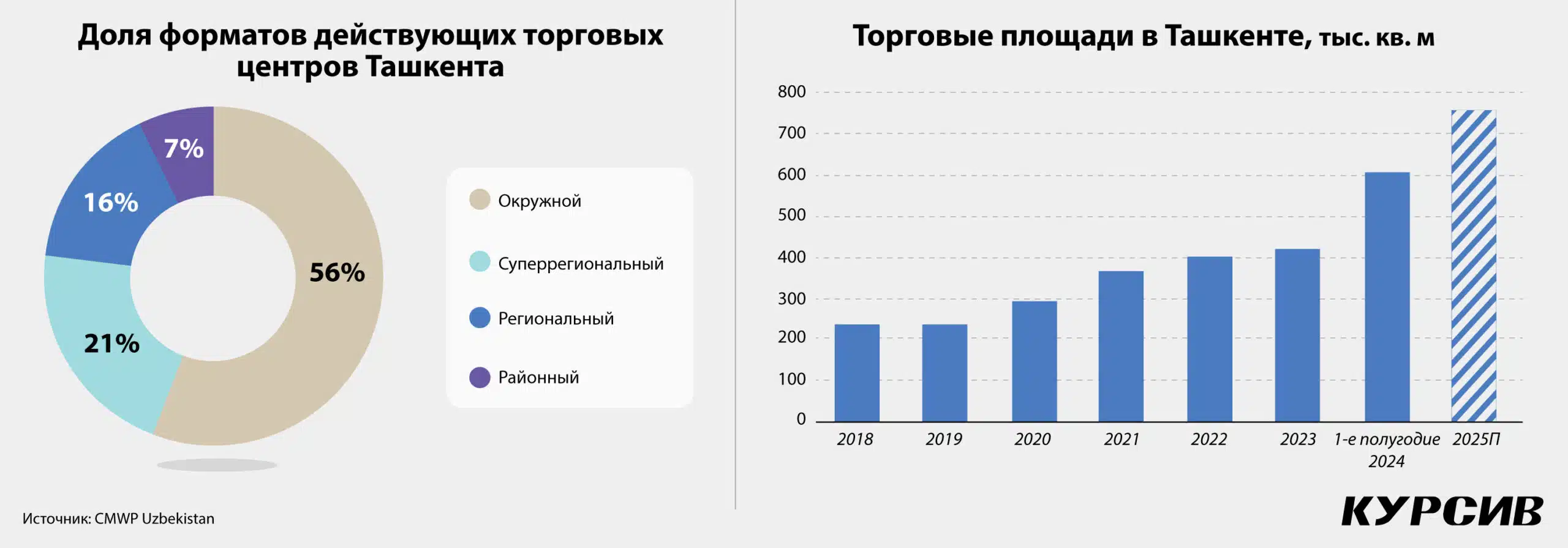
In 2024, Tashkent saw the addition of 478.5 thousand square meters of new Gross Leasable Area (GLA), a 3.5-fold increase compared to 2019, according to CMWP Uzbekistan. Furthermore, in 2025, the Tashkent retail space market is projected to grow by an additional 100 thousand square meters of GLA.
Currently, Tashkent has 170 sq. m of quality retail space per thousand residents, according to CMWP Uzbekistan. This is 2.6 times less than in Almaty.
The indicative rental rate for a 100 sq. m retail unit on the ground floor of a major shopping mall in Tashkent has increased by an average of 11% annually over the past five years, according to CMWP Uzbekistan. In 2019, it was $24 per sq. m, rising to $41 per sq. m by 2024.
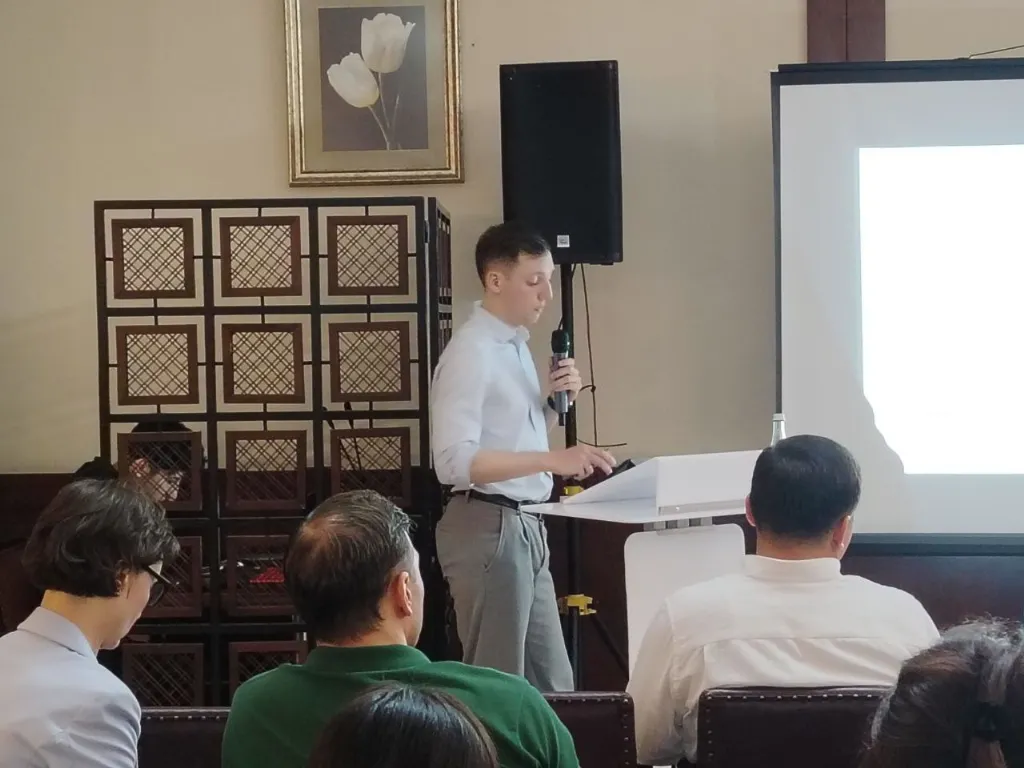
“The republic's stable economic growth (projected GDP growth of 6% in 2025), a growing population (with an annual increase of 2.2%), and currently low competition levels make the Tashkent market attractive for international chain retailers,” is the confident assessment of Amal Khaitov, a consultant at CMWP Uzbekistan.
However, the country currently has only one truly large shopping and entertainment center (SEC) – Tashkent City Mall (103 thousand sq. m). The area of other SECs ranges from 16 to 26 thousand sq. m. Moreover, according to Amal Khaitov, foreign retailers cite a lack of quality warehouse facilities, difficulties in organizing regional logistics, and customs regulation challenges as obstacles to market entry.
Tashkent residents visit smaller district shopping centers for planned purchases of clothing, groceries, or small retail items. In contrast, people visit large SECs like Tashkent City Mall not only for shopping but also for entertainment, dining at cafes and restaurants, and watching movies.
“Judging by the occupied retail space, the most in-demand goods in large shopping malls in Tashkent are fashion retail items, accounting for half of the GLA. The average share of space in SECs for ‘restaurants/cafes’ and ‘entertainment’ segments is only 1 to 10% of the leasable area,” notes Khaitov.
In comparison, in Kazakh SECs, the combined share of ‘restaurants/cafes’ and ‘entertainment’ occupies up to half of the space.
Online retail in Uzbekistan also currently holds a modest 2% share, six times less than in Kazakhstan. However, its volume is growing rapidly (+100% year-on-year).
Source: Kursiv.kz
Photo: shutterstock