Glamping is gaining popularity in Central Asia – outdoor recreation in comfortable conditions. In Uzbekistan, this market is in its early stages of development. "The potential of natural and cultural resources creates prospects for investment, despite infrastructure gaps," believe CMWP Uzbekistan.
The glamping industry in Central Asia is showing steady growth against the backdrop of interest in natural landscapes and ecotourism. According to CMWP Uzbekistan, by 2035, the volume of the regional market in this segment will almost triple and exceed $29 million. Kazakhstan and Kyrgyzstan maintain leadership in the number of facilities – they account for about 84% of all glamping sites in Central Asia, as well as revenue.
In Uzbekistan, the market is in its early stages of development and has great potential due to its unique natural landscapes and rich cultural heritage, according to a review prepared by the company's analysts. "Gazeta" has studied the document.
What is Glamping?
Glamping (from English "glamorous camping") is a type of accommodation that combines outdoor recreation with a high level of comfort. Guests are offered to stay in compact modular or frame houses, capsules, or tents with full-fledged sleeping areas, bathrooms, climate control, Wi-Fi, and meals. Sustainability is an important part of the concept: the use of renewable energy sources, rational water use, the use of eco-friendly materials, and waste management.
The popularity of glamping is linked to the global trend of eco-friendly and "slow" tourism. Wellness practices are creating additional demand: yoga retreats, spa treatments, and digital detox.
According to the report, the global glamping market was valued at $3.8 billion in 2025 and could grow to $6.2 billion by 2030. The main audience for the segment (about 45%) is young people aged 18 to 32. Social media promotion and influencer marketing have played a significant role in this.
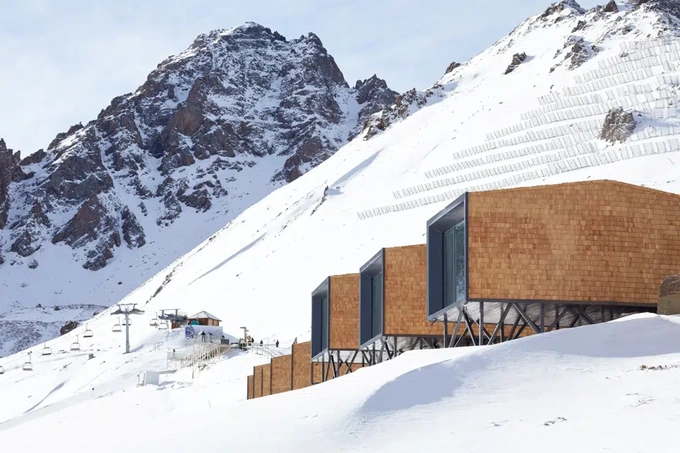
Glamping in Central Asia in 2025
The Central Asian glamping market is dominated by Kazakhstan and Kyrgyzstan – together, these two countries account for about 84% of all facilities.
Uzbekistan, according to analysts, is in the early stages of development. The market in Tajikistan is defined as niche and at a nascent stage – only one glamping offering has been identified in the country (Paramount Journey), operating as a package tour.
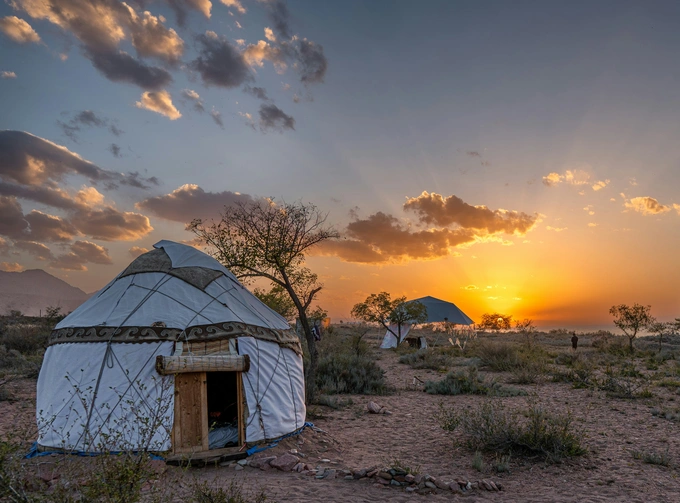
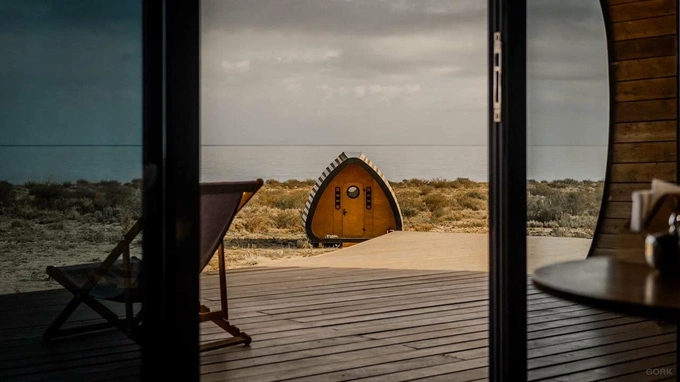
Among the types of glamping, yurts hold the leading position – almost a third of the total offering. They are followed in popularity by domes and A-frame houses (triangular wooden structures with a steep roof). Safari tents and compact Pod modular houses form a strong secondary segment, while Bell Tents (tents made of dense fabric with a central pole) and capsules remain niche options for the region for now.
According to CMWP Uzbekistan analysts' forecasts, the glamping market in Central Asia will grow from $11.1 million in 2025 to approximately $29.3 million by 2035. Kazakhstan will retain its status as a regional leader, increasing its market volume from $5.16 million to $13.77 million. It will be followed by Kyrgyzstan with a projected growth from $4.44 million to $11.84 million, and Uzbekistan, whose figures will increase from $1.45 million to $3.87 million.
Glamping in Uzbekistan: The Market Today
The glamping market in Uzbekistan is in its early stages of development and remains fragmented. The main factors contributing to its formation are the diversity of natural landscapes and historical monuments.
"The untapped potential of natural and cultural resources, the growth of tourism, and the 'pioneer' status create prospects for investment, despite infrastructure gaps," the company's report states.
Currently, there are seven main glamping locations operating in the country, with an average accommodation cost of $113 per night. The leading ones include the Chimgan and Nurata Mountains, the Kyzylkum Desert, and the Aral Sea.
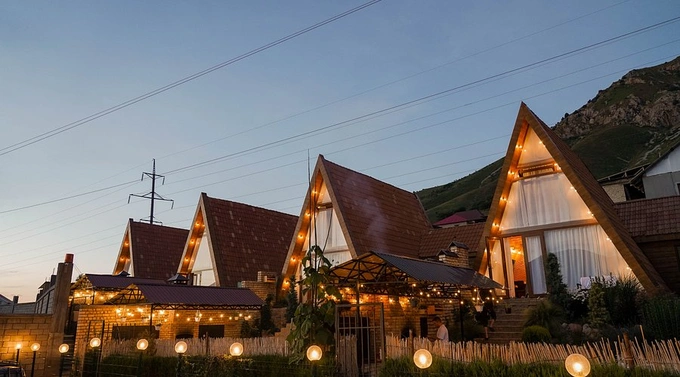
Accommodation offerings in the market are limited. Traditional yurts constitute 86% of all facilities. Only one A-frame house is registered in the country.
The level of comfort and infrastructure varies by facility. Glamping sites often feature swimming pools, saunas, barbecue areas, picnic lawns, communal kitchens, and playgrounds.
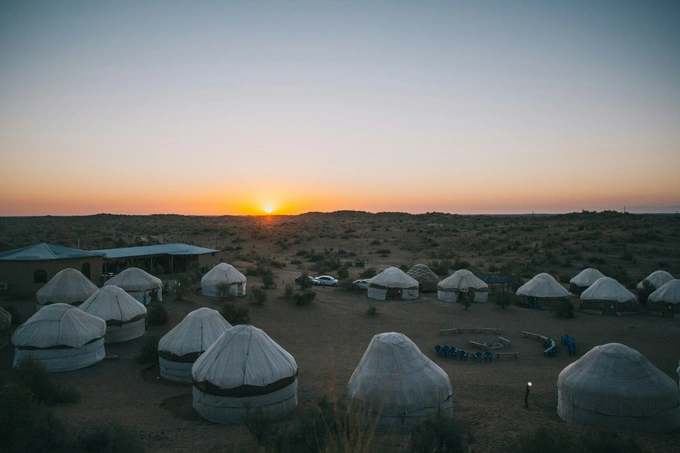
Available recreational activities are linked to the glamping site's geographical location. In mountainous areas, visitors are offered hiking, paragliding, horseback riding, and cable car trips, and in winter – skiing and snowboarding. In the desert areas of Jizzakh and Kyzylkum, cycling, camel riding, dune excursions, and stargazing are popular.
Facilities in Karakalpakstan offer comprehensive tours to the Ustyurt Plateau, the dried seabed of the Aral Sea, the ship graveyard, and abandoned settlements. Additional cultural programs often include stays in an authentic environment and acquaintance with local hospitality traditions.
Glamping Development in Neighboring Countries
Kazakhstan represents the most mature and diversified glamping market in Central Asia. Glamping revenue in 2025 was $5.16 million. The sector is focused on ultra-luxury accommodation and short nature getaways for residents of major cities.
Currently, there are 23 main locations operating in the country with an average accommodation cost of $123 per night. Leading facilities are concentrated in the foothills of Almaty, in the area of Kolsai and Kaindy lakes, as well as in the pine forests of the Akmola region. Developed infrastructure and convenient logistics near Almaty and Astana allow operators to actively attract both domestic tourists for weekend tours and affluent foreign guests.
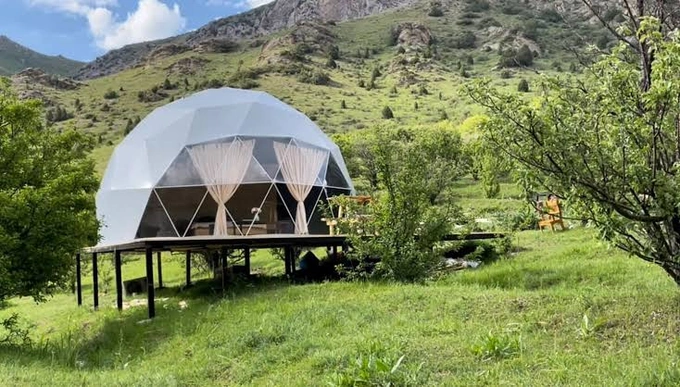
A feature of the Kazakh offering is the variety of accommodation formats, which ensures year-round operation of facilities. About 40% of glamping sites combine several types of structures: domes, safari tents, Pod houses, and yurts. At the same time, only in Kazakhstan are cottages widely represented, offering a more familiar stay, combining hotel comfort with outdoor recreation.
The Kazakhstan market has growth potential through locations in the mountain cluster of Almaty (Medeu, Shymbulak), areas on the Caspian Sea coast, Burabay National Park, and the Tamerlik Canyon.
Kyrgyzstan represents the fastest-growing glamping market in Central Asia with an estimated annual revenue of about $4.44 million. There are 22 locations operating in the country with an average accommodation cost of $115 per night, whose development is actively supported by ecotourism and social media promotion.
The main facilities are concentrated around Issyk-Kul Lake, in Bishkek and Chuy Oblast, as well as in the Chon-Kemin Valley. In terms of offering structure, traditional yurts lead (38%), followed by A-frame houses (21%) and domes (17%). Capsules form a growing niche segment (14%).
The infrastructure of many facilities includes hot springs, saunas, yoga areas, and spa treatments. Depending on the season, visitors can enjoy hiking, horseback riding, and cycling tours, paragliding, and in winter – skiing, freeride, and heli-skiing. Cultural components often include culinary masterclasses, folk shows, traditional eagle hunting, and kumis therapy sessions.
The combination of authentic nomadic traditions, digital detox programs, and opportunities for active recreation strengthens Kyrgyzstan's position as a promising tourist destination with growing international recognition.
The glamping market in Tajikistan is represented by a single operator – Paramount Journey, which organizes luxury expedition camps in the Fann Mountains. For investors in adventure tourism, the country is essentially a "blank slate": the current lack of competition and infrastructure deficit create high potential for launching new projects, according to CMWP Uzbekistan.
Source: Gazeta.uz
We are pleased that the Central Asian glamping market overview by our team has generated interest from the media in Uzbekistan and neighboring countries. Below are links to publications from other countries in the region that have used data from the CMWP Uzbekistan study.
We thank the media of neighboring countries for their cooperation and value it, as such partnerships expand the knowledge of residents of neighboring countries about the development of various real estate and business segments.