PREMIUM SQUARE FOOTAGE, BUDGET APPROACH
High-end real estate in Tashkent risks becoming a depreciating asset if owners continue to cut corners on management, security, and maintenance of their homes.
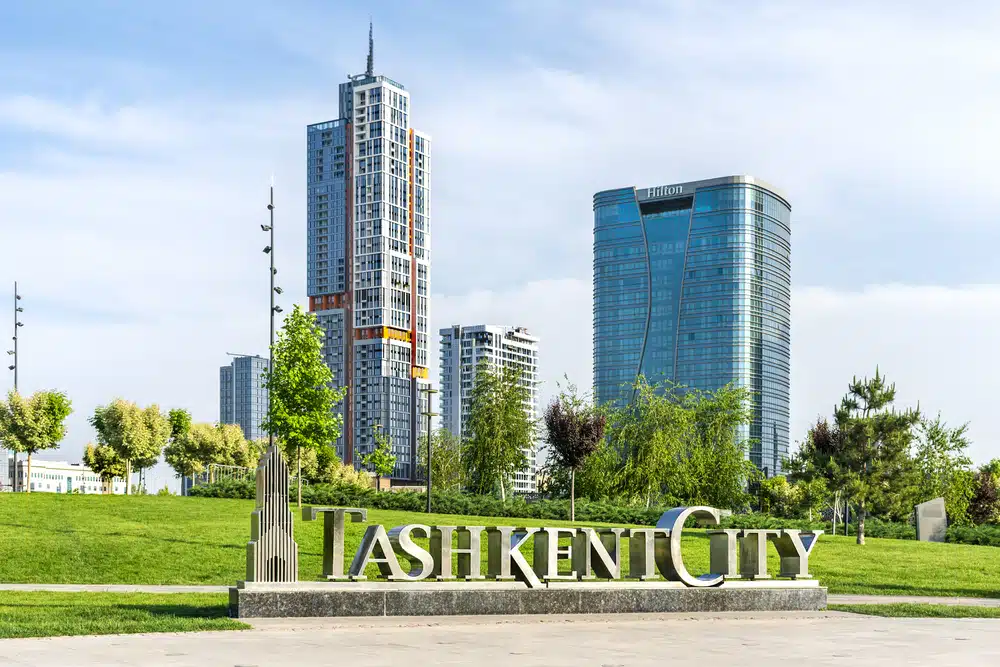
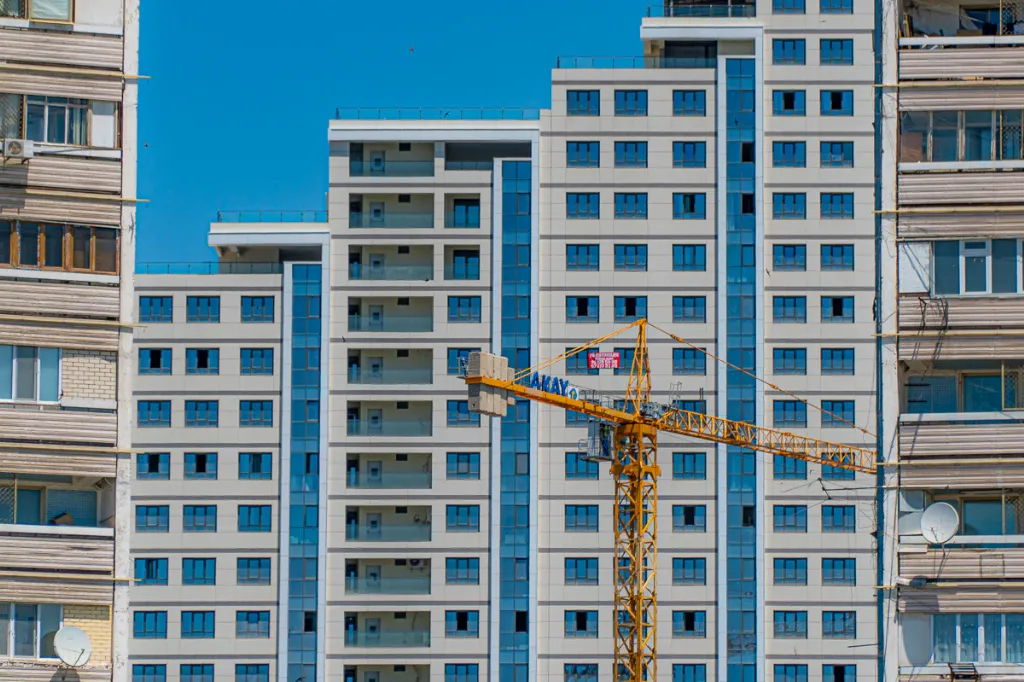
There is a significant gap in Uzbekistan's real estate market today: the quantity of quality square meters is growing faster than the culture of their upkeep. In developed real estate markets, management is in the hands of institutional investors, but in the Tashkent market, the majority of buyers are "emotional consumers" rather than professional players. When purchasing an apartment in a modern luxury residential complex or an office in a Class A multifunctional center, the happy owner, by inertia, transfers their past habits to it. They mistakenly believe that building maintenance costs should be close to zero, while rental income should grow exponentially every year. The owner fails to realize that a modern building is no longer just a house in a mahalla or a beautiful nine-story building with stairwells, but a complex engineering structure that requires a completely different approach to management and maintenance costs. Chillers, water fire suppression systems, imported automation, and fire alarm systems turn a real estate object into an analog of a high-tech car like a Mercedes or BMW. However, in practice, the owner wants to maintain such "cars" at the price of old "Chevrolets," demanding five-star hotel service at common property maintenance rates that barely cover the costs of a couple of plumbers and cleaning, if that, once a week.
For an owner who has invested at least $150,000–$200,000 in their property in a modern, high-quality complex, the emotional state often borders on absurdity, hiding a banal "consumer terrorism." Our president, by issuing new resolutions, tries to change the situation, but owners, having bought expensive luxury real estate, begin to abuse their rights and simply live at the expense of the developer, who pays for the maintenance of common property at their own expense for several years. As a result, any attempts to implement a professional approach are thwarted by "minimal tariffs" for common property maintenance, and the owner justifies their unwillingness to pay by the lower cost of maintaining old buildings, devaluing the developer's product and idea. Today, the owner of modern real estate falls into their own trap: buying modern spaces and saving today means losing up to 30% of the market value of their property in just a couple of years due to physical deterioration of the building and a decline in prestige. In the premium segment, owners increasingly use complaints not as a tool to improve service quality, but as a means of blackmail to force a reduction in operating costs.
Statistics speak for themselves: over the past year, over 22,000 appeals related to the activities of management companies have been processed through the "Mening uyim" platform and public reception offices. However, the authorities assess everything as an average, not distinguishing complaints from elite real estate properties from social problems of maintaining the old housing stock – and they are wrong! In the premium segment, a significant portion of these complaints are artificially initiated. At general meetings, instead of constructive dialogue, shouts about the uselessness of fire safety systems are often heard, when immediate savings in the wallet are prioritized over personal safety. At such moments, the dissonance between different types of owners is particularly acute. While a responsible businessman-owner, who has opened a modern clinic in the building and invested millions in equipment, tries to ensure sterility and safety, their neighbors may smoke in the corridors, intentionally damage common property, provoke conflict, and another owner, by not paying common property maintenance fees and employing a "consumer terrorism" policy, can afford to rent out their modern and elite premises in the center of Tashkent for very "indecently" high market prices. This state of "emotional emptiness" of civilized business against the backdrop of domestic vandalism and manipulation is a sure sign that modern luxury real estate is beginning to turn into a "slum" even before renovations are completed and neighbors move in.
Bringing internal disputes into the public sphere and media attacks on management companies have become a destructive trend. Such actions by owners are a classic shot in their own foot. Public hysteria instantly creates a negative reputational background, and a buyer of secondary market property, seeing a history of scandals and complaints, will ultimately devalue the real estate. Ask yourself: how many professional international management companies are actually working in the Tashkent market today? Unfortunately, the absence of professional companies in the Tashkent market is a consequence of the actions of owners and their unwillingness to recognize the real cost of quality. In such conditions, service companies simply leave real estate objects, not wanting to incur losses and reputational risks, and in their place come structures working on the model of old housing and communal services. For modern real estate development, this means a return to the past and a complete loss of investment attractiveness.
Today, we operate in conditions where the professionalism of a management company clashes with the aggressive unwillingness of owners to recognize the price of comfort. We have implemented an "open book" model and offered every owner the opportunity to verify the transparency of expenses, but only a few are truly involved in the life of the building, and typically, they are from the "consumer terrorism" group. The new presidential decree introduces leverage against debtors, but it hides the danger of applying the "minimum tariff" for common property contributions. If owners do not find a compromise with management companies and do not abandon their beloved "bazaar" and haggling for a business relationship model, then for a premium building, such a tariff is a death sentence. It is necessary to realize a simple thing: quality service and reciprocity are the only way to increase the value of owners' properties and develop the real estate market of Uzbekistan. If owners and management companies do not learn to be partners and value the work of people ensuring their safety, modern buildings in Tashkent will inevitably turn into deteriorating, illiquid concrete that will only lose value each year, and emerging institutional investors and property owners will take your money instead of you, private investors, and devalue your already purchased real estate.