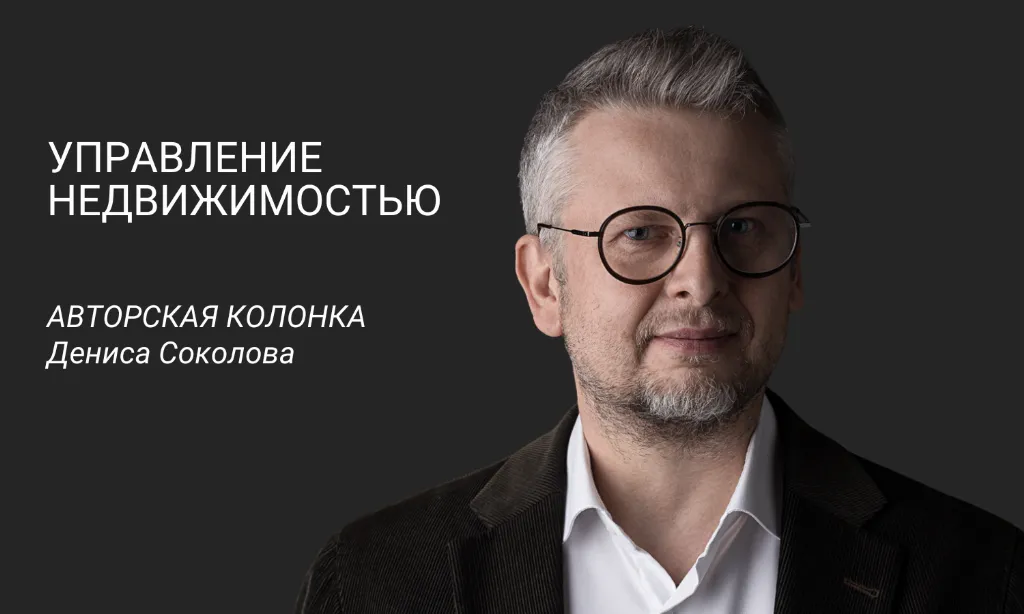
Denis Sokolov, CEO of Commonwealth Partnership|Uzbekistan, visited the largest international real estate exhibition in Cannes and shared in a column for Spot the key topics discussed at the forum:
"Today, the annual MIPIM forum concluded in Cannes. For the global real estate market, this is a crucial event that brings together representatives of all major investment companies, developers, architects, and consultants. Many cities and countries organize their own stands at the forum to showcase investment opportunities and flagship projects. This year, alongside the traditional stands of London and Paris, the pavilions of Poland and Egypt stood out. The business program included over 100 conferences, round tables, and workshops.
Uzbekistan was not represented at the forum this year. However, it presented a unique opportunity to assess the attitude of investors and developers towards the markets of Uzbekistan and Central Asia. In general, investors are quite positive towards Central Asia, as the global financial market is currently facing significant challenges, and rising interest rates are negatively impacting prices in traditional markets like Western Europe and the USA. Businesses are looking at regions that are relatively protected from negative global market trends. Furthermore, the geopolitical concept of the "global South" as the main driver of the world economy for the next 100 years also piques the interest of international business.
However, almost no one is familiar with Uzbekistan. It was a huge surprise for many that a country with a population of nearly 40 million people has been showing economic growth rates above 5% for several consecutive years, with real estate investment yields of 12-16% against the backdrop of a stable national currency. While Uzbekistan successfully promotes its culture and tourism globally, it is evident that insufficient effort is being made to promote the country as the economic engine of Central Asia.
It is important to note that in recent years, the theme of sustainable development has been a recurring thread at international business forums. And this is not just empty words, as many might think. Bankers at conferences stated that carbon neutrality will become a prerequisite for attracting financing within five years. The question now is not how much energy efficiency costs, but rather how much it will cost the asset owner if they do nothing.
A separate session, attended by the mayors of Hanover and Porto (cities in Germany and Portugal, respectively - Spot note), was dedicated to how cities can cope with global warming and heatwaves. Today, European cities are experiencing an increasing temperature range with slight average warming – winters are becoming colder, and summer months are hotter. In fact, Tashkent is currently addressing the same challenges as developed European capitals, and in many aspects, Europeans have much to learn, for example, regarding greening in conditions of extreme heat.
Another key topic is inclusion, gender equality in the labor market, poverty reduction, and access to education and healthcare. It is important to understand that modern large-scale business is not about profit at any cost, but about stability and sustainable development. With a long-term plan, companies are willing to incur operational costs.
Therefore, if a country adheres to sustainable development goals, it sends a green signal to investors, indicating that the market has prospects. It is evident that achieving the European level of social orientation is impossible overnight. However, economies and businesses operate on future achievements and revenues, so the development vector itself is no less important than the final result.
For Uzbekistan, the time has come to promote the country not only as a tourist destination but also as a center of economic activity. In the minds of major businesses, the position of the business capital of Central Asia is vacant, and Tashkent should occupy it, at least by virtue of being the largest city in the region.
Investors today are more sensitive to social aspects, quality of administration, and environmental considerations than to attractive renderings and fantastic profitability figures. Therefore, the concept of promoting the country on the global economic stage should be built precisely on these points.
From the perspective of urban development, Tashkent has reasons to be proud. While it may seem strange to long-time residents, Tashkent is a very comfortable city, especially considering its geographical, historical, and climatic features. The city can not only learn from others but also share its experiences.
Unfortunately, there are current business practices that hinder sustainable development goals. For example, a crucial agenda item is the reconstruction of inefficient buildings and even changes in their purpose. In Tashkent, many buildings are sold off in separate blocks and floors, which will impede their reconstruction.
Some believe that the green agenda, ESG (Environmental, Social, and Governance – referring to a company's efforts in each of these areas for sustainable development – Spot note), is the domain of wealthy countries with surplus funds. However, the opposite is true: this approach largely levels the playing field between rich and poor countries when facing challenges.
Responsible consumption requires residents of wealthy countries to conserve on heating, packaging, air conditioning, etc. While this does not equalize their consumption behavior with developing countries, it allows for better mutual understanding. Ultimately, when a city experiences heat, traffic jams, and rolling blackouts, these problems are universal.